Understanding Alcohol Use Disorder
Alcohol is a socially accepted substance that many people enjoy responsibly. However, for some, drinking can become problematic, leading to health, social, and emotional challenges. Understanding what constitutes alcohol use disorder (AUD), recognizing the warning signs, and knowing the available treatments can empower individuals to take control of their health.
What Is Alcohol Use Disorder?
Alcohol use disorder, often referred to as AUD, is a medical condition characterized by an inability to control drinking despite negative consequences. It is not a moral failing or a lack of willpower—AUD is recognized by the American Psychiatric Association (APA) as a chronic brain disorder that affects the brain’s reward system, decision-making, and behavior.
The severity of AUD can range from mild to severe, depending on the number of symptoms present and how significantly drinking interferes with daily life. Common signs include:
Drinking more or for longer periods than intended
Unsuccessful efforts to cut down or stop drinking
Cravings or strong urges to drink
Spending a significant amount of time obtaining, drinking, or recovering from alcohol
Neglecting responsibilities at work, school, or home
Continued drinking despite social, interpersonal, or legal problems
Development of tolerance (needing more alcohol to feel the same effect)
Experiencing withdrawal symptoms when not drinking, such as anxiety, tremors, nausea, or irritability
It’s important to note that not everyone who drinks heavily has AUD. “Problematic alcohol use” generally refers to patterns of drinking that increase risk for health issues or impair functioning, even if they haven’t yet reached the threshold for a formal diagnosis. This can include binge drinking, drinking while taking medications, or drinking in situations that could be dangerous, such as driving.
How Much Is Too Much?
Determining when alcohol consumption becomes problematic can be confusing, especially since social norms vary and tolerance differs from person to person. While occasional drinking is generally considered safe for most adults, certain patterns signal risk.

Health authorities, such as the Centers for Disease Control and Prevention (CDC), provide guidelines to help define “moderate” versus “risky” drinking.
A key concept is the standard drink, which represents roughly the same amount of pure alcohol regardless of the type of beverage:
12 ounces of beer (typically 5% alcohol)
5 ounces of wine (typically 12% alcohol)
1.5 ounces of distilled spirits or liquor (typically 40% alcohol, such as vodka, whiskey, or rum)
These measurements allow individuals to track how much alcohol they are actually consuming.
Moderate Drinking:
Up to 1 standard drink per day for women
Up to 2 standard drinks per day for men
Binge Drinking:
4 or more drinks in about 2 hours for women
5 or more drinks in about 2 hours for men
Binge drinking significantly increases the risk of accidents, injuries, and long-term health issues.
Heavy Drinking:
8 or more drinks per week for women
15 or more drinks per week for men
Chronic heavy drinking increases the likelihood of liver disease, heart problems, and cognitive impairments.
Note on THC/CBD Drinks:
Cannabis-infused beverages, including THC and CBD drinks, are growing in popularity. While these drinks are not classified as alcohol, they can still impair judgment, coordination, and reaction time. Mixing them with alcohol increases risks for accidents and may amplify intoxicating effects.
Even lower levels of drinking can be harmful in certain situations, such as during pregnancy, when taking medications, or if you have underlying health conditions. If your drinking regularly exceeds these limits, causes blackouts, affects your relationships, or leads to risky behavior, it may indicate problematic alcohol use and warrants professional evaluation. Recognizing these patterns early is a key step toward prevention and recovery.
Health Risks of Problematic Drinking
Alcohol misuse can affect nearly every organ in the body. Long-term heavy drinking is associated with liver disease, heart problems, digestive issues, weakened immune function, and neurological changes. It also increases the risk of mental health disorders, including depression, anxiety, and an increased risk of suicide.
Even moderate but chronic problematic drinking can have lasting consequences, including:
High blood pressure and heart disease
Memory and cognitive impairments
Increased risk of accidents and injuries
Complications in pregnancy, such as fetal alcohol spectrum disorders
Recognizing the signs of AUD early is critical to preventing these long-term effects.
Treatment Options for Alcohol Use Disorder
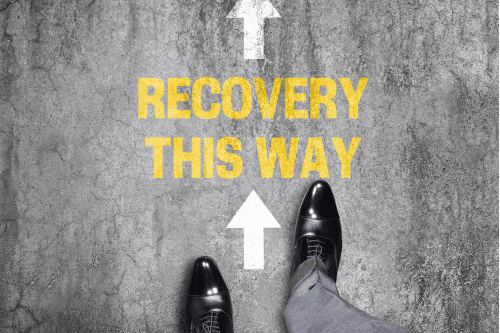
The good news is that AUD is treatable, and recovery is possible. Treatment is most effective when it is tailored to the individual’s needs and may involve a combination of medical, behavioral, and support-based approaches.
Medical Interventions
Detoxification: For individuals with severe dependence, medically supervised detox may be necessary to safely manage withdrawal symptoms.
Medications: Certain FDA-approved medications can help reduce cravings, decrease the rewarding effects of alcohol, or support abstinence. These include naltrexone, acamprosate, and disulfiram.
Behavioral Therapies
Cognitive-Behavioral Therapy (CBT): Helps individuals identify triggers for drinking and develop strategies to manage them.
Motivational Enhancement Therapy (MET): Focuses on increasing motivation to change drinking behavior.
Contingency Management: Uses a reward system to encourage abstinence or reduced drinking.
Support Groups and Peer Recovery Programs
12-Step Programs: Such as Alcoholics Anonymous, offer community support and structured guidance. Find a meeting.
SMART Recovery: A science-based program focusing on self-empowerment and coping skills. Find a meeting.
Integrated Treatment for Co-Occurring Disorders
Many individuals with AUD also experience mental health conditions like depression or anxiety. Integrated care that addresses both conditions simultaneously improves outcomes.
Steps You Can Take Today
If you or a loved one is struggling with alcohol, seeking help early can make a significant difference. Even if you are unsure whether your drinking qualifies as AUD, discussing your concerns with a qualified healthcare provider is a crucial first step. Treatment is available, and recovery is possible.
At Tranquility Psychiatry, we offer compassionate, individualized care for individuals struggling with alcohol use disorder. Our team can help you understand your patterns of use, explore treatment options, and support you on the path to recovery.
Don’t wait until alcohol causes irreversible harm. Schedule an appointment today and take the first step toward reclaiming control over your health and life.