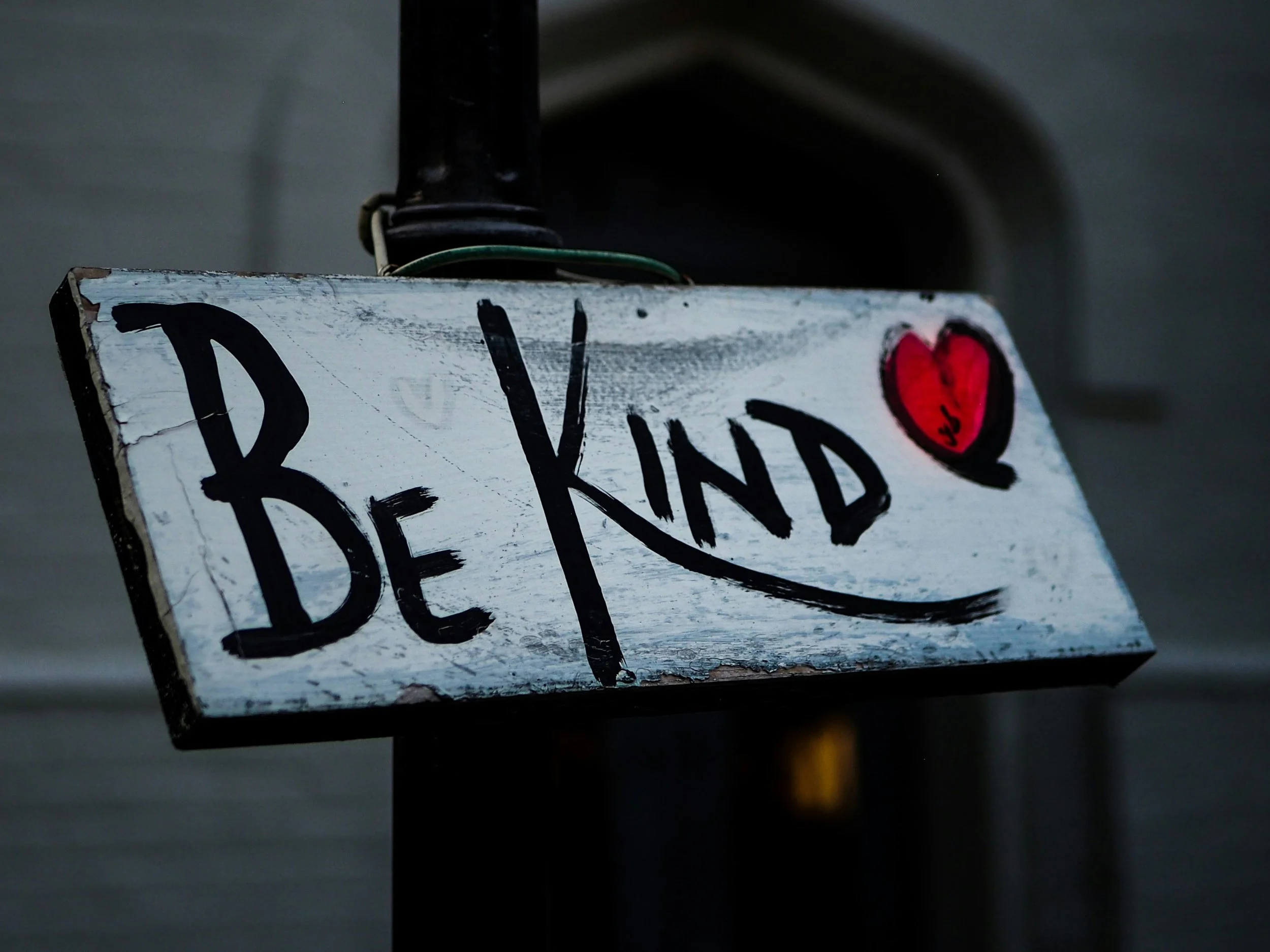
Random Acts of Kindness Week
Small Actions, Meaningful Impact
Random Acts of Kindness Week (February 14th through February 20th 2026) is an opportunity to pause, reflect, and intentionally bring kindness into our everyday interactions. While kindness is often viewed as a simple social courtesy, research and clinical experience consistently show that it has meaningful effects on mental health, emotional regulation, and connection.
In a world that often feels fast-paced, overwhelming, and divided, small acts of kindness can create moments of safety, belonging, and relief—for others and for ourselves.
What Are Random Acts of Kindness?
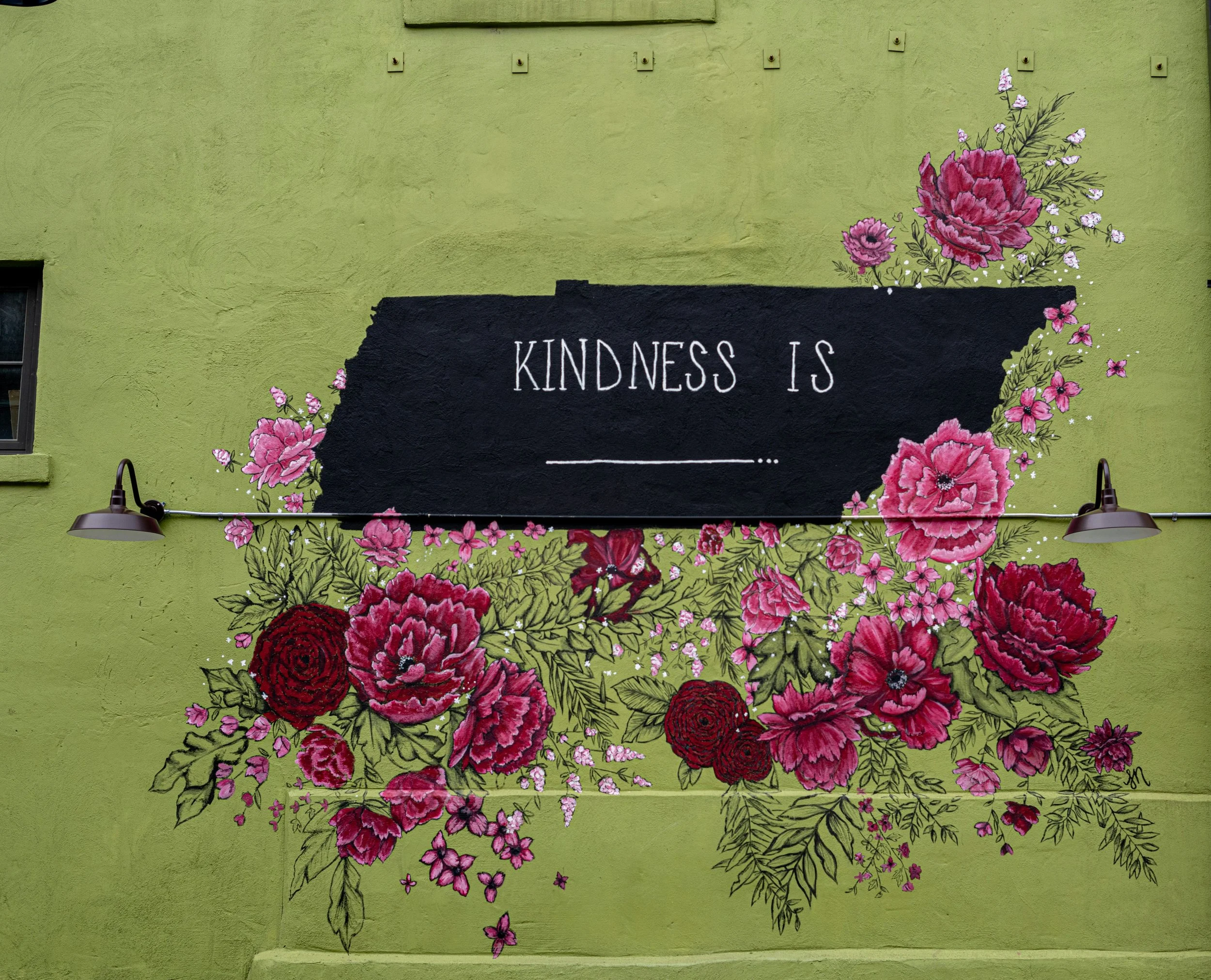
These simple, intentional acts that promote compassion and connection don’t need to be grand or performative. Often, the most impactful gestures are quiet, brief, and easily overlooked.
Examples include:
Offering a genuine compliment
Holding space for someone who is struggling
Paying for a coffee behind you in line
Sending a thoughtful message to someone who comes to mind
Allowing yourself patience and kindness during a difficult moment
Read and share kindness stories here: www.randomactsofkindness.org/kindness-stories
〰️
Read and share kindness stories here: www.randomactsofkindness.org/kindness-stories 〰️
Why Kindness Matters for Mental Health
Acts of kindness activate areas of the brain associated with reward, connection, and emotional regulation. Kindness can reduce stress hormones, increase feelings of purpose, and support mood stability.
From a mental health perspective, kindness:
Strengthens social connection and reduces isolation
Supports emotional regulation and stress resilience
Enhances feelings of meaning and purpose
Encourages empathy and perspective-taking
Importantly, kindness benefits both the person receiving it and the person offering it.
Kindness and the Nervous System
Kindness has a regulating effect on the nervous system. When we experience or witness compassion, the body often shifts out of a threat-based response and into a state of greater calm and safety.
For individuals living with anxiety, depression, trauma histories, or chronic stress, these small moments of regulation can be especially meaningful. They remind the nervous system that connection and support are possible.
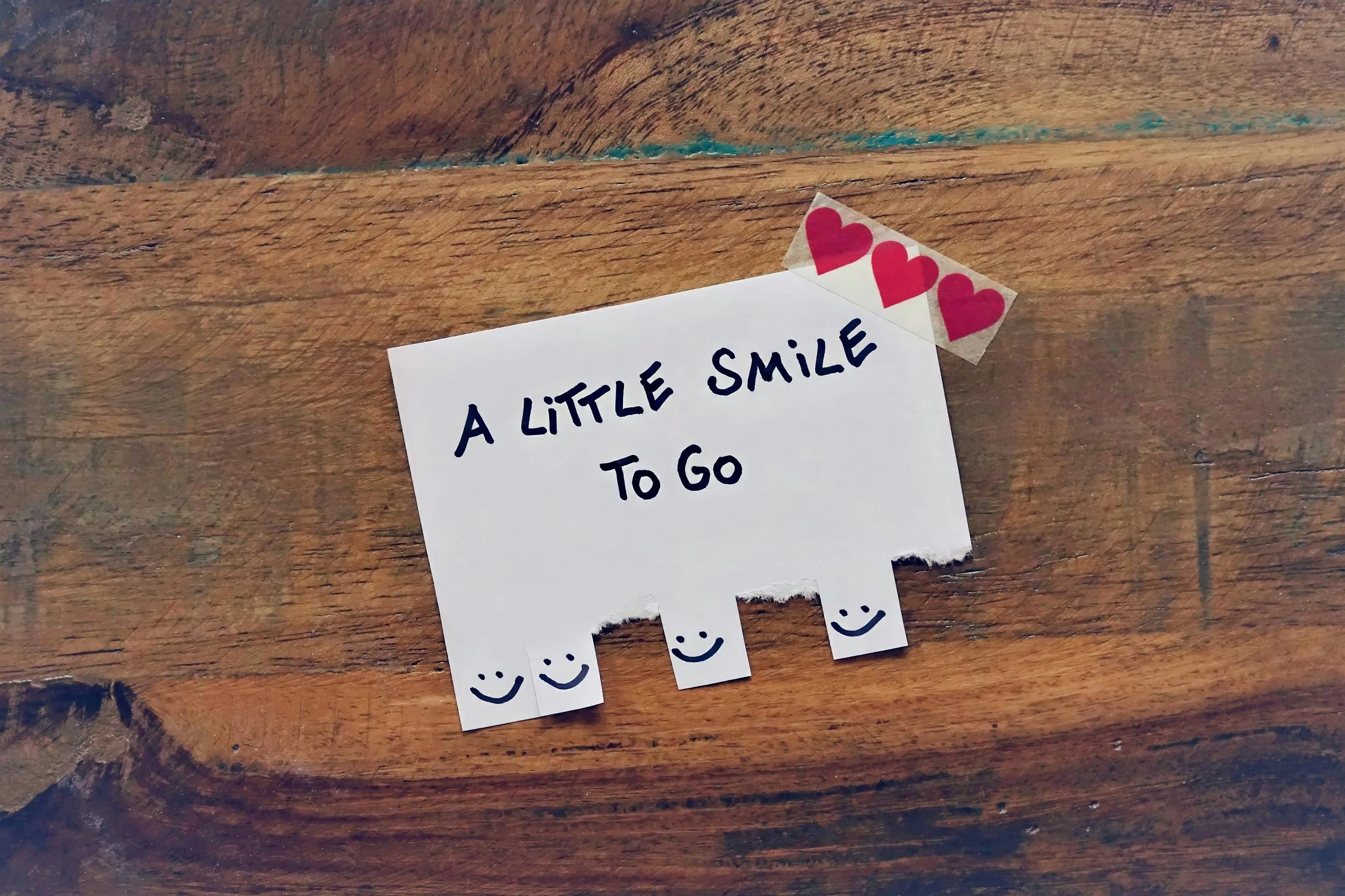
Small Acts Count More Than You Think
Many people hesitate to engage in acts of kindness because they worry it won’t be “enough.” In reality, consistency matters more than scale. Small, repeatable actions are often more sustainable—and more impactful—than rare, large gestures.
A kind word, a moment of patience, or a nonjudgmental response can significantly shift someone’s day, even if you never see the ripple effect.
Kindness Without Overextending Yourself
It’s important to distinguish kindness from self-sacrifice. Healthy kindness does not require ignoring your own boundaries or emotional limits.
Kindness can include:
Saying no respectfully
Taking care of your own needs
Offering support without taking responsibility for someone else’s emotions
Extending compassion inward when you are struggling
Sustainable kindness starts with self-compassion.
Practicing Kindness Toward Yourself
Random Acts of Kindness Week is also a reminder to direct kindness inward. Many people are far harsher with themselves than they would ever be with others.
Self-kindness might look like:
Taking a break without guilt
Speaking to yourself with patience rather than criticism
Acknowledging effort, not just outcomes
Seeking support when things feel heavy
Self-compassion is not indulgence—it is a protective factor for mental health.
How Kindness Strengthens Communities
When kindness becomes visible and consistent, it shapes the emotional climate of families, workplaces, and communities. Over time, this can foster trust, safety, and collaboration.
Kindness does not eliminate hardship, but it can make challenges feel more manageable when people feel less alone.
Final Thoughts
Random Acts of Kindness Week is not about perfection or performance. It is about intention—choosing moments of compassion in ways that feel authentic and sustainable.
Small acts matter. Kindness accumulates. And sometimes, the simplest gesture can be the one that makes the biggest difference.
If you’re feeling disconnected, overwhelmed, or emotionally exhausted, support can help. At Tranquility Psychiatry, we provide compassionate, evidence-based mental health care to help you reconnect—with yourself and with others. Contact us today to schedule an appointment.