Sexual Assault Awareness Month (SAAM)
Sexual Assault Awareness Month (SAAM) is observed each April to raise awareness about sexual violence, support survivors, and encourage informed conversations among families, partners, and communities. For survivors and those who care about them, understanding the emotional and psychological effects of trauma can be an important step toward healing.
This topic can be difficult to read about. Please take breaks as needed and return when you feel ready.
How Common Is Sexual Violence?
Sexual violence is unfortunately common and affects people of all genders and identities. Research consistently shows:
About 1 in 3 women experience sexual violence during their lifetime
About 1 in 6 men experience sexual violence
Rates are significantly higher among LGBTQ+ individuals, particularly transgender and nonbinary people
Most survivors know the person who harmed them
Statistics help illustrate how widespread this issue is, but every survivor’s experience is unique and valid regardless of whether it fits common narratives.
Understanding Trauma Responses
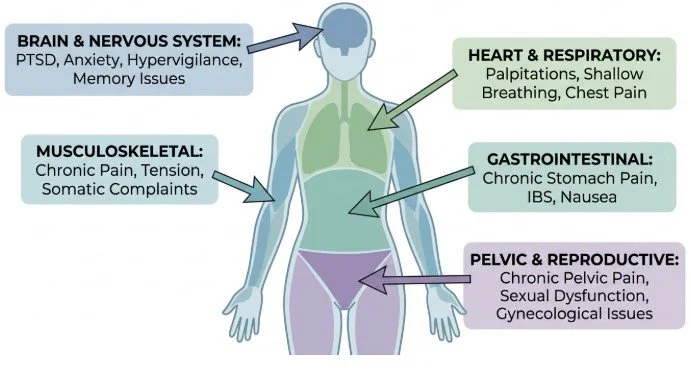
After sexual trauma, the brain and body may respond automatically in ways designed for survival. These responses can include fight, flight, freeze, or fawn reactions. Survivors may notice:
Anxiety or panic
Mood changes
Difficulty sleeping
Feeling numb or disconnected
Irritability
Trouble concentrating
Physical symptoms such as headaches or stomach upset
These reactions are not signs of weakness. They are nervous system responses to stress and threat.
Some people notice symptoms immediately, while others experience delayed reactions weeks, months, or years later. Both patterns are common.
Intimate Partner Violence (IPV) and Sexual Trauma
Sexual violence can occur within relationships. Intimate Partner Violence (IPV) refers to physical, sexual, or psychological harm caused by a current or former partner. Sexual coercion within relationships may include:
Pressure to engage in sexual activity
Ignoring stated boundaries
Threats or manipulation
Making someone feel obligated to consent
IPV can be difficult to recognize because it often occurs alongside emotional attachment, financial dependence, or fear of consequences. Survivors may feel confused about whether what happened "counts." If it felt violating, pressured, or unsafe, it matters and support is appropriate.
Self‑Check: When to Consider Professional Help

If you are a survivor, you may benefit from professional support if you notice:
Intrusive memories or nightmares
Feeling constantly on edge
Avoiding reminders of what happened
Persistent sadness or anxiety
Difficulty functioning in daily life
Feeling emotionally numb
Thoughts of self‑harm
If you are supporting someone else, consider encouraging help if symptoms last more than a few weeks or interfere with daily functioning.
Seeking support does not mean something is wrong with you. It means your nervous system has been under stress and deserves care.
Signs a Survivor May Need Support
Loved ones are often the first to notice changes. Possible signs someone may be struggling include:
Withdrawal from friends or activities
Sudden mood or behavior changes
Increased anxiety or fearfulness
Avoidance of certain places or people
Changes in sleep or appetite
Increased substance use
Decline in school or work performance
These signs do not always mean someone experienced trauma, but they can signal that additional support would be helpful.
How Loved Ones Can Help
Support from safe people is one of the strongest protective factors in recovery.
Helpful responses:
Believe them
Thank them for trusting you
Listen more than you speak
Ask what they need rather than assuming
Respect their choices
Offer to help find professional support
Unhelpful responses to avoid:
Questioning why they didn’t stop it
Suggesting they misunderstood
Minimizing the experience
Pressuring them to report
Taking control of decisions
Even well‑intentioned reactions can feel overwhelming if they remove a survivor’s sense of autonomy. Healing is supported when survivors feel believed, respected, and in control of their choices.
Treatment and Healing
Many survivors benefit from trauma‑informed therapy. Evidence‑based approaches can help reduce symptoms, improve emotional regulation, and rebuild a sense of safety. Some individuals also benefit from medication as part of treatment.
Healing is not linear. Good days and difficult days can coexist. Progress often happens gradually, and support can make a meaningful difference.
Resources
If you or someone you know needs support, these resources can help:
RAINN National Sexual Assault Hotline: 800‑656‑HOPE or online chat
988 Crisis Lifeline: Call or text 988 for emotional support
National Domestic Violence Hotline: 1‑800‑799‑SAFE
Local emergency services if immediate safety is at risk
Resources for Broward County, FL: https://widbroward.org/
Resources for Palm Beach County, FL: https://www.avdaonline.org/
If you are unsure whether your experience qualifies as assault or abuse, speaking with a professional or hotline advocate can help clarify and guide next steps.
A Note to Survivors:
What happened to you was not your fault. Your reactions make sense in the context of what you experienced. Support, healing, and stability are possible, and you deserve compassionate care.
Sexual Assault Awareness Month is ultimately about support, understanding, and connection. Survivors deserve to be believed, families deserve guidance on how to help, and everyone deserves access to accurate information and safe care.
Frequently Asked Questions
Is it normal to feel confused about what happened?
Yes. Many survivors question or minimize their experiences, especially when the person involved was known to them.What if someone doesn’t want therapy?
Healing can begin in many ways. Therapy is helpful for many people, but support, education, and safe relationships are also important.Can people recover from sexual trauma?
Yes. With support and appropriate care, many survivors experience significant relief and improved quality of life.
If you are a survivor or supporting someone who is, you are not alone. At Tranquility Psychiatry, we provide compassionate, trauma‑informed mental health care tailored to your needs. Reach out to schedule an appointment and take a step toward support and healing.